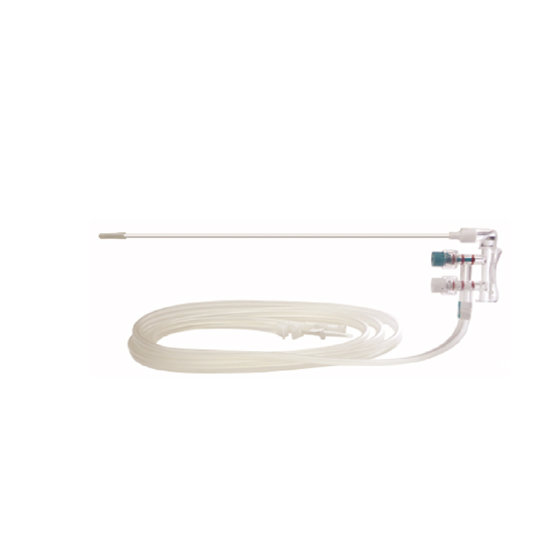


Trocar seal systems are essential components in laparoscopic procedures because they help maintain stable pneumoperitoneum during surgery. The sealing mechanism inside a medical trocar prevents gas leakage while allowing surgical instruments to pass through the access port smoothly.
A reliable trocar system combines trocar tip design, cannula structure, valve technology, and sealing performance. For surgeons and medical device buyers, understanding how these components work helps evaluate product quality, procedural efficiency, and clinical reliability.
A trocar seal system creates a controlled pathway between the patient's abdominal cavity and surgical instruments during minimally invasive procedures. After the abdominal cavity is inflated with carbon dioxide (CO₂), the seal system helps maintain the required pressure level by minimizing gas leakage.
The main functions of a trocar seal system include:
Maintaining pneumoperitoneum: Prevents continuous CO₂ loss during instrument exchange.
Supporting instrument access: Allows surgeons to insert and remove instruments without losing the working space.
Reducing procedure interruptions: Stable pressure improves surgical visibility and operating efficiency.
Protecting internal tissues: Provides controlled access through the abdominal wall.
A high-quality laparoscopic cannula must provide both mechanical stability and effective sealing performance throughout the procedure.
Cannula valves maintain pneumoperitoneum by creating a temporary barrier that limits CO₂ leakage when instruments are inserted, removed, or exchanged.
Different valve designs achieve this function through various sealing mechanisms, including:
Flap valves: Flexible valve structures that close automatically after instrument removal.
Duckbill valves: Designed to maintain a tight seal while allowing smooth instrument passage.
Multi-layer sealing systems: Combine different sealing components to improve gas retention and reduce leakage.
During laparoscopic surgery, instruments may vary in diameter and shape. An effective valve system needs to adapt to different instruments while maintaining stable abdominal pressure.
The primary trocar cannula uses involve creating access points for laparoscopic instruments, cameras, and energy devices during minimally invasive procedures.
Common applications include:
| Application | Function of Trocar Cannula |
| General Laparoscopy | Provides access for surgical instruments during abdominal procedures. |
| Gynecological Surgery | Supports minimally invasive access for procedures involving reproductive organs. |
| Urological Procedures | Allows insertion of cameras and instruments for internal examination and treatment. |
| Bariatric Surgery | Provides stable access ports for complex laparoscopic operations. |
The choice of trocar size, sealing performance, and cannula design depends on the surgical procedure and the instruments being used.
When selecting a medical trocar, healthcare providers and distributors should evaluate several technical factors beyond basic penetration capability.
The sealing system should minimize gas leakage during instrument manipulation. Stable pneumoperitoneum supports better visualization and allows surgeons to perform procedures more efficiently.
The cannula should remain securely positioned after insertion. Surface design, fixation features, and material selection influence stability during surgery.
A trocar should support commonly used laparoscopic instruments while maintaining reliable sealing performance across different diameters.
The trocar tip design affects penetration efficiency and tissue interaction. A balanced design helps surgeons achieve controlled access while reducing unnecessary force.
The seal is one of the most important components affecting the overall performance of a laparoscopic cannula. Even small amounts of gas leakage can influence intra-abdominal pressure and surgical visibility.
A well-designed seal system should provide:
Low leakage rate: Maintains stable pneumoperitoneum during procedures.
Instrument flexibility: Allows smooth movement without damaging the seal.
Durability: Maintains performance throughout the surgical procedure.
Easy operation: Enables efficient instrument exchange.
For hospitals and distributors, evaluating seal technology is an important step when comparing different trocar systems.
Trocar size selection depends on the instruments required for the procedure. Common trocar diameters are selected according to whether surgeons need cameras, graspers, staplers, or larger surgical devices.
Typical considerations include:
Instrument diameter compatibility
Required surgical access size
Expected frequency of instrument exchange
Balance between access requirements and tissue impact
A suitable trocar system provides sufficient access while maintaining reliable sealing and minimizing unnecessary trauma.
Hospitals should consider clinical requirements, product reliability, and supplier capability before purchasing trocar systems.
| Evaluation Factor | Important Considerations |
| Valve System | Reliable sealing performance and stable pneumoperitoneum maintenance |
| Cannula Design | Secure fixation, smooth instrument movement, and ergonomic handling |
| Material Quality | Medical-grade materials with consistent manufacturing standards |
| Sterilization | Validated sterilization process and secure sterile packaging |
| Supplier Support | Stable supply, technical support, and quality assurance documentation |
For medical distributors, selecting a manufacturer with strong production capabilities ensures consistent product quality and long-term supply reliability.
Modern trocar technology focuses on improving access safety, sealing reliability, and surgeon convenience. Improvements in valve systems and cannula structures help reduce gas loss and support smoother instrument handling.
Advanced trocar designs may include:
Improved sealing membranes for better gas retention
Ergonomic housing for easier manipulation
Enhanced tip designs for controlled entry
Compatibility with a wider range of laparoscopic instruments
These improvements contribute to more efficient minimally invasive procedures and better operating room workflow.
Trocar seal systems play a critical role in maintaining pneumoperitoneum and supporting successful laparoscopic procedures. The performance of a medical trocar depends on the interaction between the cannula, valve system, sealing structure, and overall product design.
When evaluating trocar systems, hospitals and distributors should focus on seal reliability, instrument compatibility, cannula stability, and manufacturing quality. A well-designed laparoscopic cannula provides surgeons with dependable access and helps maintain consistent surgical conditions throughout the procedure.
A trocar creates an access pathway through the abdominal wall for cameras and surgical instruments during minimally invasive procedures.
The seal reduces CO₂ leakage when instruments are inserted or removed, helping maintain stable abdominal pressure.
Trocar cannulas are used for instrument access in laparoscopic, gynecological, urological, and other minimally invasive surgeries.
Valve design affects gas retention, instrument movement, and overall surgical efficiency.
Hospitals should evaluate product quality, sealing performance, sterilization standards, and supplier reliability.

 English
 français
 Español
 italiano
 русский
 Türkçe
 português
 العربية