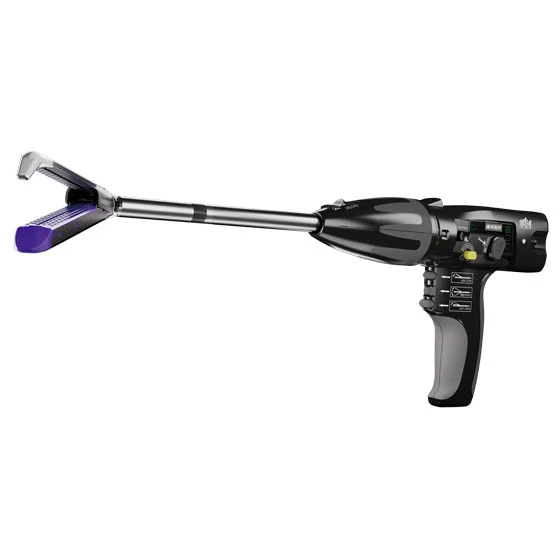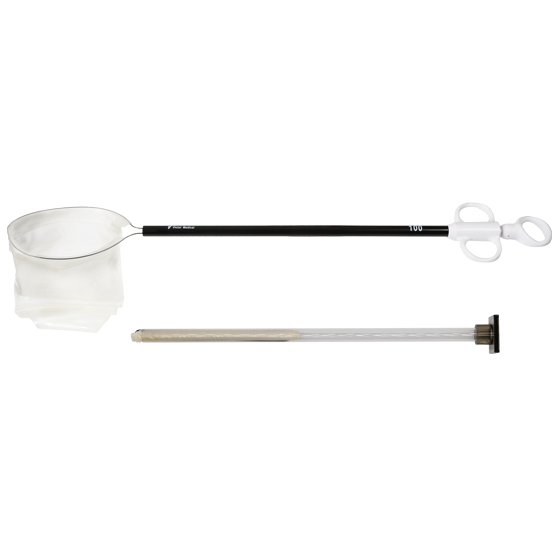


Medical stapler gun performance should be evaluated based on three key factors: consistent staple formation, ergonomic handle design, and reliable procurement specifications. For hospitals, distributors, and surgical supply companies, selecting the right skin stapler is not only about product appearance but also about closure reliability, surgeon experience, and long-term supply stability.
When evaluating suppliers, buyers should consider staple material, firing mechanism, tissue compatibility, quality control standards, and the supplier's manufacturing capability. Experienced skin stapler manufacturers usually provide detailed product specifications, validation reports, and customization options to meet different clinical requirements.
The quality of a medical stapler gun is mainly determined by staple formation accuracy, firing consistency, ergonomic operation, and manufacturing control.
A high-quality skin stapler should form staples with uniform height and shape after each firing. Consistent staple formation helps maintain appropriate wound edge approximation while reducing the risk of incomplete closure or excessive tissue compression.
Key evaluation points include:
Staple formation: Staples should close evenly with stable penetration and predictable deformation.
Firing reliability: The mechanism should provide smooth activation without jamming or inconsistent deployment.
Material quality: Stainless steel or other medical-grade materials should provide strength, corrosion resistance, and biocompatibility.
Quality assurance: Manufacturing processes should include inspection of staple dimensions, firing force, and mechanical performance.
Staple formation directly influences wound closure quality. During skin closure, the staple must penetrate the tissue correctly and form a secure shape that maintains wound edge alignment.
Poor staple formation may lead to problems such as uneven pressure distribution, insufficient closure strength, or increased difficulty during staple removal. Professional medical stapler designs focus on maintaining consistent staple geometry throughout the entire cartridge capacity.
For procurement teams, it is important to review:
Staple size and configuration
Staple height after formation
Number of staples per device
Compatibility with different surgical applications
Handle design affects operation control, surgeon comfort, and procedural efficiency. A well-designed skin stapler should allow stable grip, controlled firing force, and easy positioning during procedures.
Important handle design features include:
Ergonomic grip: Reduces hand fatigue during repeated procedures.
Balanced structure: Improves control and accuracy during staple placement.
Smooth activation: Helps surgeons apply consistent force without unnecessary pressure.
Visibility: Allows better observation of the staple placement area.
For hospitals purchasing in large quantities, user feedback from surgeons and clinical staff should be considered alongside technical specifications.
Medical device buyers should evaluate both product specifications and supplier capability before procurement. Important specifications include:
| Evaluation Item | Key Considerations |
| Staple Material | Medical-grade materials, strength, corrosion resistance, biocompatibility |
| Staple Size | Suitable dimensions for different skin closure requirements |
| Firing Performance | Stable deployment, smooth operation, low failure rate |
| Sterilization | Validated sterilization process and packaging integrity |
| Supplier Capability | Production capacity, quality system, customization support |
Working with reliable skin stapler manufacturers helps ensure consistent product quality, stable supply, and compliance with international medical device requirements.
Professional manufacturers typically use controlled production processes covering raw material inspection, component manufacturing, assembly testing, and final product inspection.
Reliability evaluation may include:
Mechanical performance testing
Staple deployment testing
Packaging and sterilization validation
Batch quality inspection
Manufacturers with strong quality management systems can provide better support for distributors and healthcare organizations that require long-term supply partnerships.
For hospitals, distributors, and surgical supply companies, selecting the right medical stapler gun also means choosing a reliable manufacturing partner. Victor Medical provides single use skin stapler solutions designed for consistent wound closure performance, efficient clinical use, and stable long-term supply.
Victor Medical skin staplers are developed with attention to key procurement requirements, including:
Consistent staple formation: Designed to support stable staple deployment and reliable wound approximation during surgical procedures.
Ergonomic operation: A practical handle design helps healthcare professionals achieve better control and smoother operation.
Sterile disposable solution: Individually packaged products help simplify workflow and support infection control requirements.
Reliable supply capability: Professional manufacturing processes and quality control help ensure consistent product quality for hospitals and distributors.
By choosing Victor Medical, healthcare organizations can work with an experienced skin stapler manufacturer that understands both clinical performance requirements and procurement needs.
Choosing a medical stapler gun requires more than comparing product prices. Buyers should evaluate staple formation consistency, handle ergonomics, technical specifications, and supplier reliability. A well-designed skin stapler improves procedural efficiency and supports dependable wound closure performance.
For medical distributors and healthcare suppliers, partnering with Victor Medical provides access to reliable skin stapler solutions, professional manufacturing support, and stable supply capability to meet different surgical procurement needs.
A medical stapler gun is mainly used for skin closure after surgical procedures, providing fast and consistent wound approximation.
A good skin stapler provides consistent staple formation, smooth firing performance, ergonomic handling, and reliable quality control.
No. Skin staplers vary in staple size, capacity, and design depending on different clinical applications.
Hospitals should consider product quality, certifications, manufacturing capability, supply stability, and technical support.
Proper staple formation helps maintain secure wound closure and reduces risks caused by uneven pressure or incomplete deployment.

 English
 français
 Español
 italiano
 русский
 Türkçe
 português
 العربية