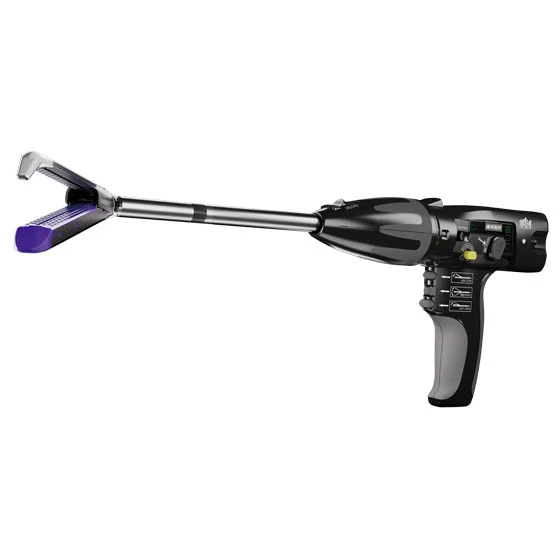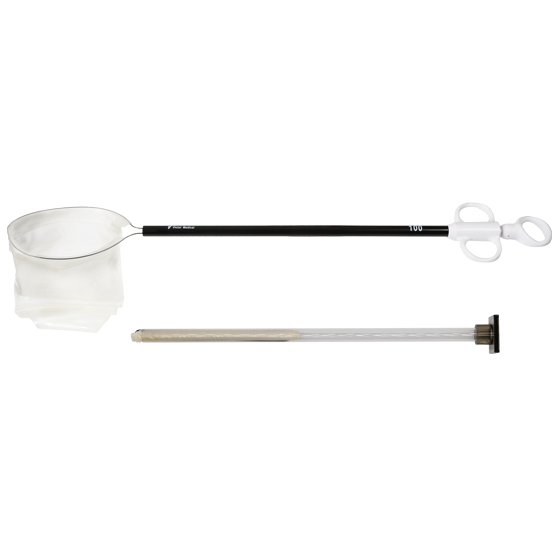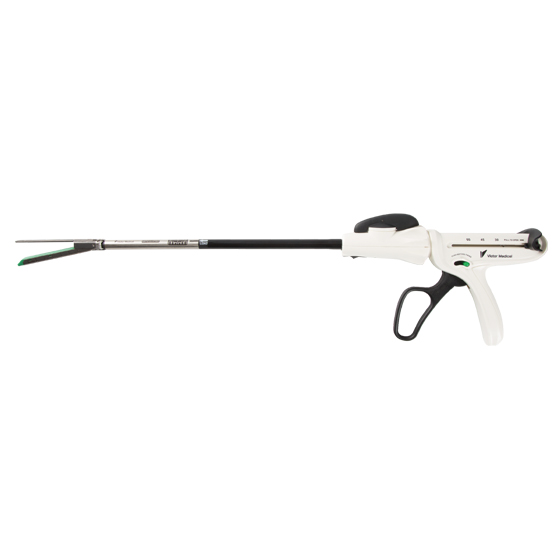


The performance of a laparoscopic suction irrigation cannula depends on three key design factors: precise fluid flow control, appropriate shaft diameter, and an effective suction tip configuration. These features determine how efficiently surgeons can remove blood, irrigation fluid, and surgical debris while maintaining a clear operative field.
For hospitals and medical distributors, selecting a disposable laparoscopic suction irrigation device requires more than choosing a compatible trocar size. Handle responsiveness, suction capacity, tip geometry, instrument stability, and connection compatibility must all be considered. A well-designed laparoscopic suction cannula should provide predictable suction and irrigation performance without unnecessarily disrupting surrounding tissue.
Flow control determines how effectively a suction irrigation device delivers fluid and removes blood, saline, and other material from the operative field. During laparoscopic procedures, surgeons frequently alternate between irrigation and aspiration to improve visibility and assess the surgical area.
Most combined suction irrigation instruments use separate controls for irrigation and suction. These controls allow the operator to activate the required function without exchanging instruments.
A responsive control mechanism should allow smooth switching between the two functions. Important performance characteristics include:
Button responsiveness: Controls should activate smoothly and provide predictable operation.
Flow regulation: The system should allow appropriate fluid delivery and aspiration for the intended procedure.
Connection reliability: Tubing connections should remain secure throughout instrument movement.
Ergonomic operation: The handle should support comfortable single-handed control when used as intended.
Victor Medical's laparoscopic suction cannula features clearly identified suction and irrigation buttons and an ergonomic handle designed for convenient operation.
Suction performance depends on several interacting factors, including the internal diameter of the cannula, shaft length, tubing dimensions, applied vacuum, and the characteristics of the aspirated material.
A larger internal flow passage generally offers lower resistance to fluid movement under otherwise comparable conditions. However, the actual aspiration rate must be evaluated at the complete system level rather than inferred from the cannula's outer diameter alone.
Hospitals should request flow performance information under defined testing conditions when comparing devices from different suppliers.
Shaft diameter affects trocar compatibility, available internal flow space, and instrument maneuverability. Common laparoscopic suction irrigation cannula sizes include 5 mm and larger diameters for procedures requiring different access configurations.
The appropriate diameter depends on the surgical port, expected fluid removal requirements, and available working space.
| Shaft Diameter | Application Considerations | Procurement Focus |
| 5 mm | Suitable for compatible smaller laparoscopic access ports and procedures requiring compact instruments | Internal lumen size, flow performance, and trocar compatibility |
| 10 mm | Provides a larger instrument profile for procedures where a compatible access port is available | Flow capacity, maneuverability, and port requirements |
| 12 mm | Used where the procedure and access system accommodate a larger suction irrigation instrument | Instrument clearance, fluid handling, and compatibility |
A larger outer diameter does not automatically guarantee better suction performance. Internal lumen geometry, tip openings, tubing restrictions, and the suction source all influence the effective flow rate.
Victor Medical supplies single-use laparoscopic suction and irrigation cannulas in three listed shaft outer diameters:
| Model | Shaft Outer Diameter |
| VSEI05 | 5 mm |
| VSEI10 | 10 mm |
| VSEI12 | 12 mm |
These specifications allow purchasing teams to select products according to their laparoscopic access requirements. The manufacturer should be consulted to confirm shaft length, internal lumen dimensions, and other relevant specifications for each model.
Detailed product information is available on the Victor Medical Laparoscopic Suction & Irrigation Cannula page.
There is no single suction tip design that is optimal for every laparoscopic procedure. Tip selection depends on the type of fluid or debris being removed, proximity to delicate tissues, and the required aspiration characteristics.
The configuration of the distal opening influences how fluid enters the cannula and how the instrument interacts with surrounding tissue.
An end-opening configuration allows fluid to enter directly through the distal end of the instrument.
This design can provide focused aspiration, but the opening may become obstructed if it contacts tissue or encounters material larger than the available passage.
Some laparoscopic suction instruments incorporate side openings near the distal tip to provide additional fluid entry pathways.
Side-hole design can influence suction distribution and obstruction behavior. However, poorly positioned openings may also draw adjacent fatty tissue toward the cannula under negative pressure.
Therefore, buyers should evaluate opening size, number, position, and the manufacturer's validated performance rather than assuming that more side holes automatically improve suction efficiency.
Tip shape is particularly important when working near delicate anatomical structures.
Important considerations include:
Opening geometry: Influences fluid entry and potential obstruction.
Surface finish: Smooth edges help avoid unnecessary mechanical contact with tissue.
Tip dimensions: Must remain compatible with the selected access port.
Clogging resistance: Should be evaluated using appropriate performance testing.
Hospitals should confirm which distal tip configurations are available for each model before purchasing. Not every manufacturer offers interchangeable or multiple tip options.
Blockage can occur when blood clots, tissue fragments, or other material obstruct the distal opening or internal flow pathway. Tissue may also become temporarily drawn against the suction tip during aspiration.
These issues can interrupt suction and require instrument repositioning or other corrective action.
Design features that may influence obstruction resistance include:
Appropriate internal lumen dimensions
Distal openings matched to the intended application
Smooth transitions within the fluid pathway
Tip geometry that limits unwanted tissue engagement
Reliable control of suction activation
Published research on laparoscopic suction instruments has described problems involving unintended aspiration of fatty tissue into suction openings. This highlights why tip configuration and tissue interaction should form part of product evaluation.
For procurement teams, manufacturer-provided testing data is more useful than unsupported claims that a device is completely clog-free or atraumatic.
Hospital procurement departments and medical distributors should evaluate both the technical performance and supply reliability of the complete suction irrigation system.
| Evaluation Item | What Buyers Should Confirm |
| Shaft Diameter | Available outer diameters and compatibility with laparoscopic access ports |
| Shaft Length | Suitable working length for the intended procedures |
| Flow Performance | Suction and irrigation performance under defined operating conditions |
| Tip Design | Distal opening configuration, tissue interaction, and obstruction characteristics |
| Handle Operation | Button responsiveness, ergonomic handling, and function identification |
| Tubing Compatibility | Connection dimensions and compatibility with the facility's fluid systems |
| Sterilization | Validated sterilization process, packaging integrity, and shelf life |
| Quality Documentation | Applicable regulatory documentation, inspection procedures, and traceability |
For medical distributors, product samples and detailed technical specifications are especially useful when assessing a new supplier. Evaluating the complete device helps identify potential compatibility issues before larger purchase commitments.
Victor Medical offers single use laparoscopic suction irrigation cannulas designed for suction and irrigation during endoscopic procedures. Its available shaft diameters and ergonomic control configuration support different laparoscopic access requirements.
Hospitals and distributors can also explore the company's broader laparoscopic surgical instruments portfolio when planning procurement.
Effective laparoscopic suction irrigation depends on the interaction between flow control, cannula diameter, distal tip geometry, and the external suction and irrigation systems.
A suitable laparoscopic suction cannula should provide predictable fluid handling, compatible instrument dimensions, convenient controls, and appropriate tissue interaction for its intended application.
For hospitals and medical distributors, comparing complete device specifications is more valuable than selecting products based on shaft diameter or unit price alone.
Victor Medical offers single use laparoscopic suction irrigation cannulas in 5 mm, 10 mm, and 12 mm shaft diameters. Buyers can contact Victor Medical with their required models, instrument specifications, estimated order quantities, and destination market to request product documentation, sample availability, and quotation information.
It is used to deliver irrigation fluid and remove blood, fluid, and debris during minimally invasive surgical procedures.
The main difference is shaft diameter. Flow capacity and instrument compatibility also depend on the internal design and access system.
Not necessarily. Suction performance also depends on internal lumen dimensions, tip design, tubing, and the vacuum source.
Blockage may occur when tissue, blood clots, or surgical debris obstruct the distal opening or internal fluid passage.
Some systems are reusable, while others are single-use. Victor Medical's VSEI series is designed for single use.
Buyers should verify shaft diameter, length, tip configuration, flow performance, connector compatibility, and quality documentation.

 English
 français
 Español
 italiano
 русский
 Türkçe
 português
 العربية